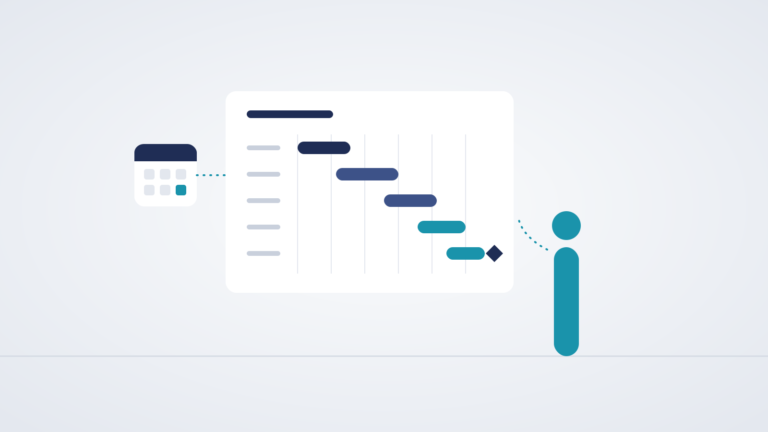
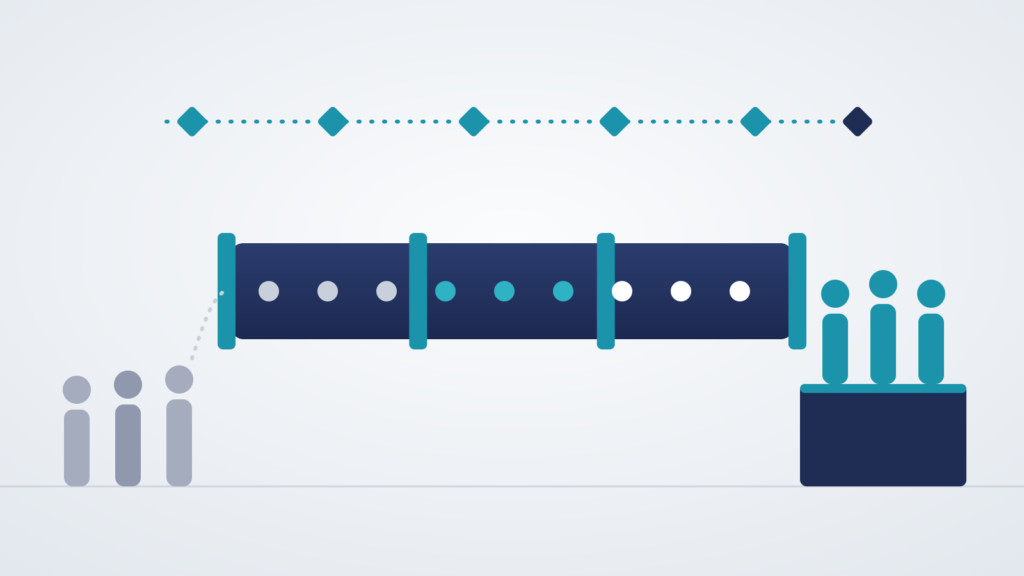
Every January, the Salesforce roadmap gets approved. A Data 360 rollout in Q2, a Service Cloud expansion in Q3, an Agentforce pilot by year end. And every year, the talent team hears about the hiring those projects need about three weeks before the work is due to start.
That gap is where most Salesforce talent acquisition breaks down. Companies treat each Salesforce hire as a one-off search, start from zero every time, and compete for the same scarce candidates on the same short timeline as everyone else.
A Salesforce talent acquisition strategy fixes that by planning hires from the roadmap, building relationships with Salesforce talent before roles open, and developing some of that talent internally. This guide covers seven strategies that work for in-house talent teams and hiring managers heading into 2027, from forecasting roles to measuring what your Salesforce hiring actually delivers.
Table of Contents
Why Salesforce Talent Acquisition Beats Reactive Hiring
Reactive Salesforce hiring starts when someone resigns or a project gets approved. Salesforce talent acquisition starts long before either happens.
| Reactive Salesforce hiring | Strategic Salesforce talent acquisition | |
|---|---|---|
| Trigger | A resignation or a new project | The annual roadmap and workforce plan |
| Candidate pool | Whoever is actively looking that month | A pipeline built over months, including passive candidates |
| Timeline | Rushed, often 60 to 90 days for senior roles | Planned, with searches opened ahead of need |
| Internal talent | Overlooked | Developed and promoted first where it fits |
| Cost | Agency fees on every hire, plus project delays | Fewer emergency searches and lower cost per hire |
The difference matters most for scarce roles. In Salesforce Ben’s analysis of 10K’s ecosystem data, technical architect demand grew 27% while supply grew only 4%. If you start looking for an architect the week you need one, you are competing with every other company that waited too.
The seven strategies below follow the stages of a Salesforce talent pipeline: plan, attract, develop, assess, decide, and retain.
1. Forecast Salesforce Roles From the Roadmap
The best predictor of next year’s Salesforce hiring is this year’s Salesforce roadmap. Sit down with your Salesforce owner or architect each quarter and translate planned projects into roles and dates.
| Planned project | Roles it usually needs | Open the search |
|---|---|---|
| New cloud rollout (Service, Experience, Revenue) | Functional consultant, admin, possibly a developer | 10 to 12 weeks before kickoff |
| Data 360 or Agentforce program | Solution architect, Agentforce specialist, data engineer | 12 to 16 weeks before kickoff |
| Integration or ERP connection | Integration developer, technical architect | 12 to 16 weeks before kickoff |
| Org growth past a few hundred users | Second admin or platform owner, release manager | 8 to 10 weeks before the need |
| Ongoing support after go-live | Admin or support consultant | 6 to 8 weeks before the project team rolls off |
Add a layer for attrition. Look at tenure, recent pay benchmarks, and who has been passed over for promotion. Senior Salesforce people who have been in the same seat for three years at below-market pay are your most likely departures.
For the project roles, our Salesforce implementation staffing guide breaks down which roles each phase needs, and our guide to structuring your Salesforce team shows how headcount should grow with the org.
2. Build a Salesforce Talent Pipeline Before Roles Open
The Salesforce professionals you most want to hire are employed, valued, and not applying to anything. Recruiting Salesforce talent like that takes relationships built months before a role opens.
A working Salesforce talent pipeline has three parts:
- A shortlist by role. Keep a running list of 10 to 20 people for each role you expect to hire in the next year, with notes on their experience, what they want next, and when you last spoke.
- A light-touch cadence. A message every quarter or two, a share of something useful, an invitation to an event. Not a pitch every time.
- Silver medalists. Finalists from past searches who came second are the warmest leads you have. Tell them why they did not get the role and that you want to stay in touch.
Track the pipeline in your applicant tracking system, or in Salesforce itself if your recruiting team uses it. Either works, as long as someone owns it and updates it monthly.
When a role opens, start with the pipeline before you post the job. A warm conversation with someone who already knows your team often turns into an offer within three weeks.
3. Grow Salesforce Talent From Inside
Some of your best Salesforce talent already works for you, in another job. Sales operations analysts, service team leads, and power users who build their own reports already understand your business. Many of them can become strong admins with structured training.
Internal moves that work well:
- Power user or ops analyst to junior admin, with six to twelve months of mentoring
- Support admin to platform owner, by handing over release management and automation standards
- Admin to business analyst or functional consultant, for people who enjoy the stakeholder side
- Senior admin or developer to solution architect, with exposure to design decisions and executive conversations
Give people a clear path and real support. That means a certification budget, protected time for Trailhead, a mentor, and a named next role with the skills it requires. Our guide to the Salesforce career path from admin to architect maps the progression, and our Salesforce skills list shows what each step requires.
Internal development will not fill every gap. It is slow for senior roles and does not work for a first Salesforce hire. But an internal move usually fills a role faster than an external search and keeps institutional knowledge in the building.
4. Make Your Company Visible to Salesforce Professionals
Salesforce professionals talk to each other constantly, in user groups, online communities, and at events. If nobody in those circles has heard of your Salesforce team, every search starts cold.
Show up where Salesforce talent gathers. Salesforce runs a network of free, community-led Trailblazer Community Groups for admins, developers, marketers, and industry users, meeting locally and online. Sponsor a meeting, offer your office as a venue, or have someone on your team present a real project. A 20-minute talk about how you rebuilt your automation does more for recruiting Salesforce talent than a dozen job posts.
Make your job postings work as marketing too. Salesforce professionals want to know:
- Which clouds, how many users, and what the integration landscape looks like
- Who they will report to, and whether there is Salesforce leadership above them
- What the first 90 days involve
- The salary range
Postings that answer those questions draw stronger applicants and filter out poor fits. Our guide to writing a Salesforce job description covers the structure in detail.
Finally, let your current team speak for you. Referrals from Salesforce people who enjoy working for you are the highest-quality source of hires most companies have. Make referring easy and reward it.
5. Standardize How You Assess Salesforce Talent
When every hiring manager runs interviews their own way, two things happen. Good candidates get rejected for inconsistent reasons, and weak candidates get through because they interviewed well on a good day.
Build one assessment kit per Salesforce role and reuse it:
- A scorecard tied to what the role owns in its first 90 days, rated on a simple scale
- A working session using a realistic problem from your org, the same one for every candidate in that search
- A fixed question set for the technical interview, so answers are comparable
- A clear decision owner, so the debrief ends in a decision
Standard assessment makes hiring faster, because interviewers know what they are looking for, and fairer, because every candidate faces the same test. It also lets you compare internal and external candidates on equal terms. Our bank of Salesforce interview questions and our guide to the certifications that matter when hiring are good starting points for each kit.
6. Decide What to Build, Borrow, or Buy
Not every Salesforce need should become a permanent hire. A strong Salesforce talent acquisition plan decides, role by role, which approach fits.
| Approach | What it means | Best for |
|---|---|---|
| Build | Develop existing employees into the role | Admin, BA, and junior consultant roles where you have time and a willing candidate |
| Borrow | Contract or contract-to-hire through Salesforce staffing | Projects, migrations, rollouts, and roles you are not sure should be permanent |
| Buy | Permanent hire through your team or a Salesforce recruiter | Core roles you need for years, especially senior and architect roles |
| Partner | A consulting partner delivers a defined scope | Implementations where you need a full team for a fixed period |
Most companies end up with a mix. A common pattern for a new cloud rollout is to borrow the implementation team, buy one permanent admin or platform owner to run it afterward, and build a power user into a second admin over the following year.
For the cost math between borrowing and buying, see our comparison of contract vs full-time Salesforce hires. When you do bring in outside help, our breakdown of a Salesforce headhunter vs staffing vs placement agency explains which model fits each kind of role, and our guide to Salesforce consultant vs in-house hires covers when to use a partner.
7. Measure Salesforce Hiring and Protect What You Built
A Salesforce talent acquisition strategy needs a handful of numbers, reviewed every quarter, to show whether it is working.
| Metric | What it tells you |
|---|---|
| Time to fill, by role | Whether forecasting and the pipeline are shortening searches |
| Offer acceptance rate | Whether your pay ranges and process are competitive |
| Source of hire | Which channels produce hires: pipeline, referral, internal, agency, or posting |
| Pipeline coverage | How many warm candidates you have for each role you expect to hire |
| 90-day and 12-month quality | Whether hiring managers would hire the same person again |
| First-year retention | Whether onboarding and the role match what you promised |
If offer acceptance drops, check your ranges against the 2027 Salesforce salary guide before changing anything else. Below-market pay is the most common cause.
The last two metrics matter most, because a Salesforce hire who leaves in the first year puts you back at the start of the search. Strong Salesforce onboarding and a deliberate plan to retain your Salesforce talent protect the investment your talent acquisition work already made.
Frequently Asked Questions
What is Salesforce talent acquisition?
Salesforce talent acquisition is the long-term work of finding, attracting, developing, and keeping Salesforce professionals. Unlike filling one open role, it plans hires from the Salesforce roadmap, builds a pipeline of candidates before roles open, and uses internal development, contract staffing, and permanent hiring together.
How is talent acquisition different from recruiting?
Recruiting fills a specific open role. Talent acquisition is the strategy around it: forecasting which Salesforce roles you will need, building relationships with candidates in advance, growing talent internally, and measuring results over time.
Where do you find Salesforce talent?
The strongest sources are referrals from your existing Salesforce team, a pipeline of passive candidates built over time, internal employees who can be trained, Trailblazer Community Groups and Salesforce events, and specialist Salesforce recruiters for senior or scarce roles.
How far ahead should you plan Salesforce hiring?
Plan from the annual roadmap and review it quarterly. Open searches about 8 to 12 weeks ahead of need for admin and consultant roles, and 12 to 16 weeks ahead for architects and Agentforce or Data 360 specialists.
Should you develop Salesforce talent internally or hire externally?
Both. Internal development works well for admin, business analyst, and junior consultant roles when you have time and a willing employee. Senior roles, architects, and a first Salesforce hire usually need an external search.
What metrics should you track for Salesforce talent acquisition?
Track time to fill by role, offer acceptance rate, source of hire, pipeline coverage, quality of hire at 90 days and 12 months, and first-year retention. Review them every quarter.
Turn Salesforce Hiring Into a System
Companies that hire Salesforce talent well rarely do it by running better emergency searches. They plan hires from the roadmap, keep relationships warm before roles open, grow people from inside, and measure what works. Start your Salesforce hiring strategy with one step this quarter, usually the forecast, and add the others as the system takes shape.
Planning your Salesforce hiring for 2027? Talk to our Salesforce recruiters. We can help you forecast the roles your roadmap needs and build a Salesforce talent pipeline before the searches start.