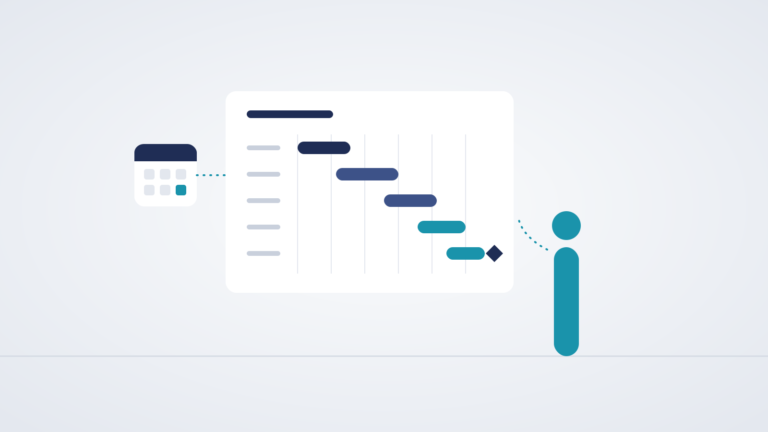
Sales wants an agent for lead follow-up. Service already launched one. Marketing bought a new tool that writes back to Salesforce, and a consulting partner is halfway through a Revenue Cloud project nobody else was told about. Every team is moving fast. Nobody is deciding what fits together.
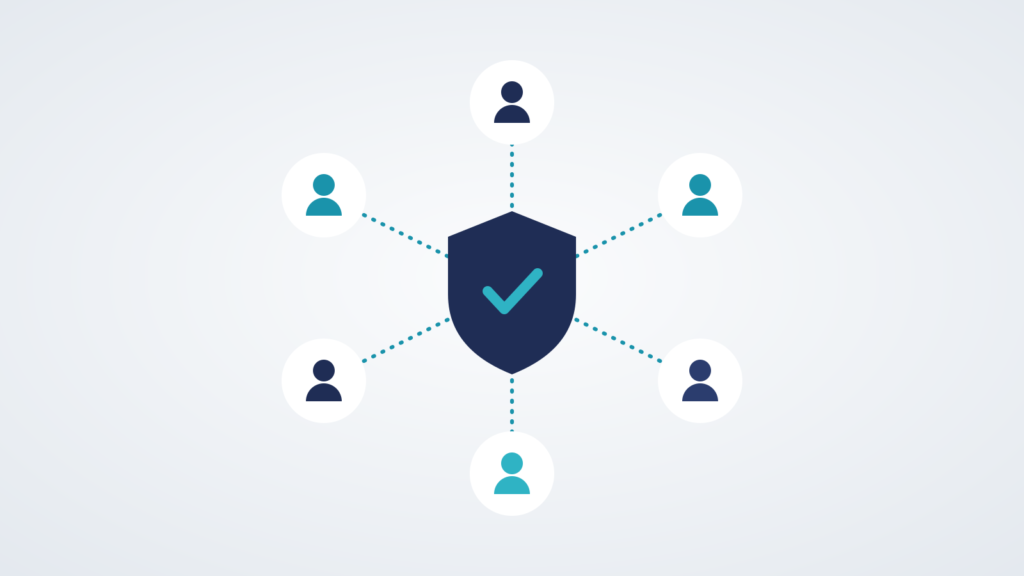
That is the problem a Salesforce Center of Excellence solves. A CoE turns Salesforce from a set of competing projects into a managed platform, with one roadmap, one set of standards, and clear ownership. With AI agents now acting across sales, service, and operations, that governance has gone from good practice to a requirement.
This guide explains what a Salesforce Center of Excellence is, why AI makes it more important, which model fits your organization, the six core roles, and a practical hiring plan for each stage.
Table of Contents
What Is a Salesforce Center of Excellence?
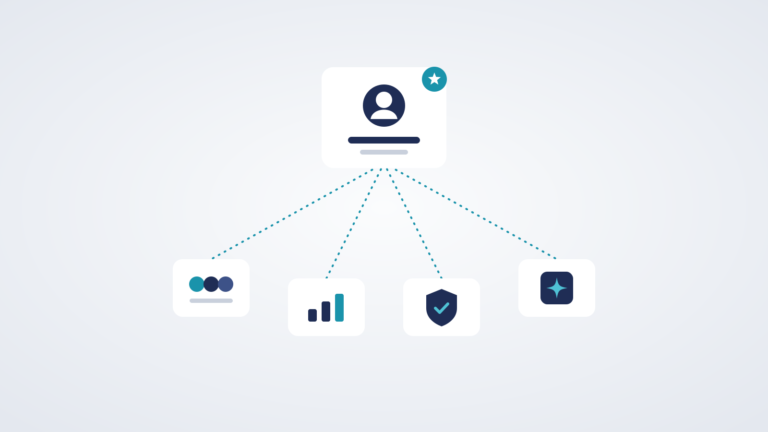
A Salesforce Center of Excellence is a cross-functional team that sets direction, standards, and support for how an organization uses Salesforce. Salesforce’s own Trailhead module, Define Your Salesforce CoE, describes it as a team drawn from across the organization and groups its work into three pillars:
- Vision. Executives, stakeholders, and architects agree on a roadmap for the platform, prioritized by business value instead of by whoever asks loudest.
- Standards. The CoE sets how things are built, released, secured, and documented, so every team follows the same rules.
- Enablement. The CoE makes sure people can use what is built, through documentation, training, onboarding, and support.
Without a CoE, Salesforce work tends to be reactive: features get built first come, first served, and problems get fixed only when they can no longer be ignored. With one, decisions become strategic. The same Trailhead module notes that a CoE can build maintenance and technical debt work into the release schedule, which is often where the difference shows first. Our guide to Salesforce technical debt covers what happens when nobody owns that work.
Salesforce governance is the set of rules. The CoE is the group of people who create, enforce, and update them.
Why AI Agents Make a Center of Excellence Essential
A CoE has always been useful for large Salesforce estates. AI agents make it close to essential, for three reasons.
First, agents cross team boundaries. A service agent may read sales data, trigger a finance process, and hand off to a person in operations. Decisions about what it can see and do affect every one of those teams, so they need a shared forum to make them.
Second, the surface keeps growing. At Dreamforce 2026, Salesforce introduced AIforce to bring Salesforce data and actions into Claude, Slack, and an AI teammate inside Salesforce itself, alongside a set of ready-made agents. More ways in means more decisions about access, permissions, and approvals. Our summary of what Dreamforce 2026 means for Salesforce hiring covers those announcements.
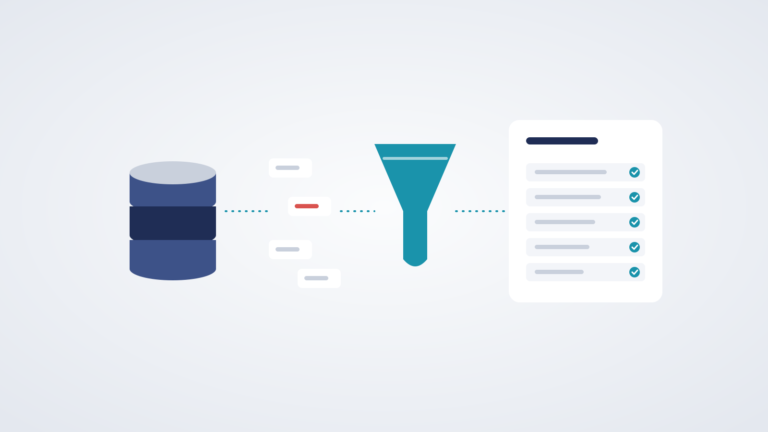
Third, agents need governance that most companies have never had to write down. Which use cases are approved? Which actions need a human checkpoint? Which model handles which task? How is every change to an agent tested and released? Those questions belong to the CoE.
In practice, the CoE becomes the place where agent ideas are approved, standards for agent design and permissions are set, and results are reviewed. Our guides to Salesforce digital labor and how to hire an Agentforce architect cover the planning and design side of that work.
Choosing a Salesforce CoE Model
Salesforce’s Get Started with a Salesforce CoE unit describes three models. The right one depends on how many orgs you run, how many teams build on them, and how much control the business wants centrally.
| Model | How it works | Best fit |
|---|---|---|
| Centralized | One CoE controls everything Salesforce-related, from standards to delivery | Single org, one Salesforce team, strong central IT |
| Federated | Each business unit or org runs its own Salesforce work, and the CoE advises | Several independent orgs or divisions with their own teams |
| Hybrid | The CoE sets standards and analysis centrally, and individual groups enforce them | Most mid-sized and large organizations, single org or multi-org |
Many growing companies end up with a hybrid model. It keeps one set of standards and one roadmap while letting sales, service, and other teams move at their own pace inside those rules. It also maps well to agents: the CoE sets the rules for agent design and access, and each business team owns its own agents within them.
Whatever model you choose, start small. The Trailhead guidance recommends beginning with one specific mission and a narrow scope, proving value, and expanding from there.
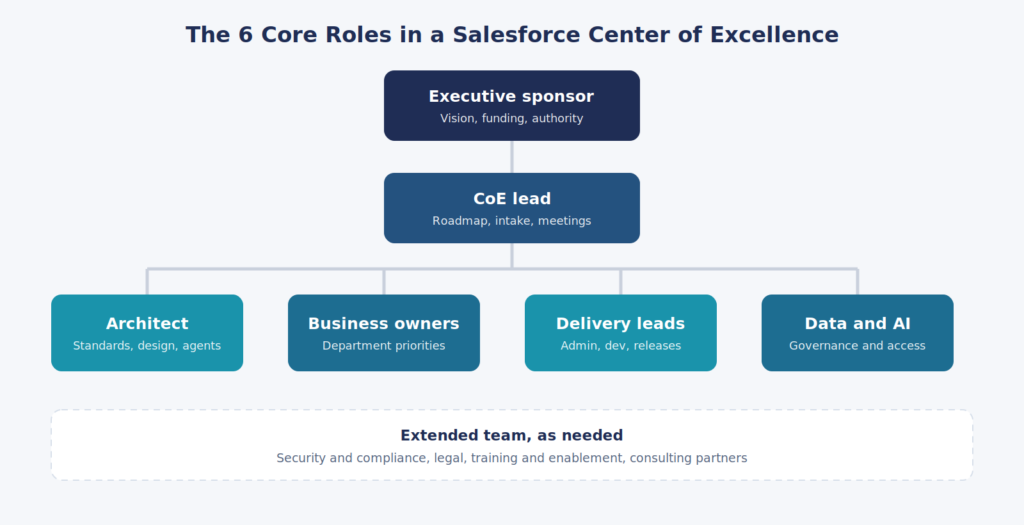
The 6 Core Salesforce CoE Roles
Every CoE needs these six responsibilities covered. In a smaller organization one person may hold two or three of them. In a large one, each may be a separate person or team.
| Role | What they own | Often filled by |
|---|---|---|
| Executive sponsor | Vision, funding, and authority to enforce decisions | CIO, CTO, CRO, or another senior leader |
| CoE lead | Runs the CoE, owns the roadmap and intake, and chairs meetings | Head of Salesforce or a senior platform owner |
| Architect | Technical standards, design review, and agent architecture | Solution, technical, or Agentforce architect |
| Business owners | Represent each department’s priorities and approve changes for their area | Sales, service, marketing, and operations leaders |
| Delivery leads | Turn the roadmap into releases, enforce build and release standards | Admin, developer, and DevOps or release leads |
| Data and AI governance lead | Data quality, access, security, and rules for agents | Data steward, security lead, or Agentforce specialist |
Beyond the core six, a CoE draws on an extended team as needed: security and compliance, legal, training and enablement, and partners who build in the org.
The Trailhead module makes an important point for budgets: you do not have to hire anyone to start a CoE. Most core roles can be filled by people already in the organization. Hiring becomes necessary when the CoE has no one with the authority or time to lead it, no one with architecture skills, or no one who owns governance for data and agents.
A Hiring Plan for Your Salesforce Center of Excellence
Many CoEs grow in three stages. Hire for the stage you are in, not the one you might reach in three years.
| Stage | Typical trigger | Roles to add | Hire or develop |
|---|---|---|---|
| 1. Start | One org, one Salesforce team, growing demand from the business | Executive sponsor, CoE lead, business owners | Develop from existing staff; consider a contract architect to set first standards |
| 2. Grow | Several teams or a partner building in the org, first agents in production | Dedicated architect, DevOps or release lead | Hire the architect if no one internal can design across teams |
| 3. Scale | Multiple orgs or business units, many agents, regulatory scrutiny | Agentforce architect, data and AI governance lead, Agentforce specialists in each business unit | Hire senior governance and architecture roles; develop specialists |
A few patterns help at each stage.
Pick the CoE lead first. Without one person who owns the roadmap and runs the meetings, a CoE becomes a monthly meeting with no follow-through. If nobody internal has the authority and time, this is usually the first hire. Our guide for Salesforce admin recruiters covers hiring a senior platform owner, which is often the right profile for a first CoE lead.
Use contract architects early. A contract solution or technical architect can set standards and design review processes in the first months, before you commit to a permanent hire. Our guide to how to hire Salesforce architects covers both routes.
Add release discipline before you scale agents. A DevOps or release lead keeps standards enforceable as more teams build. Our guide to hiring a Salesforce DevOps engineer explains the role.
For pay, our 2027 Salesforce salary guide puts senior solution architects at $165,000 to $210,000 in base salary, which is a reasonable benchmark for an experienced CoE lead or head of Salesforce in a larger organization.
Running the CoE: Governance Rhythm and Metrics
A Salesforce governance team works when it meets on a predictable rhythm and measures results. A typical cadence:
| Forum | How often | Purpose |
|---|---|---|
| Intake and triage | Weekly | Review new requests, including agent ideas, and route them |
| Design review | Every two weeks | Approve designs, data access, and agent actions against standards |
| Release review | Each release | Confirm testing, approvals, and rollback plans |
| Steering committee | Monthly | Business owners agree priorities and resolve conflicts |
| Executive review | Quarterly | Sponsor reviews results, budget, and the roadmap |
Measure what the business cares about, not just activity. Useful metrics include time from request to release, release success rate, user adoption, data quality, technical debt retired, and, for agents, how often they resolve requests without a handoff and how often they make mistakes.
The Trailhead module’s example company, Cloud Kicks, shows what the first months can look like: after six months of governance, it moved to a monthly release cycle with published release notes and approved the removal of more than 200 redundant fields. Results like those, shared with the executive sponsor, are what justify a bigger scope and budget for the next stage.
Frequently Asked Questions
What is a Salesforce Center of Excellence?
A Salesforce Center of Excellence is a cross-functional team that sets the vision, standards, and enablement for how an organization uses Salesforce. It owns the roadmap, decides how things are built and released, and helps people use what is delivered.
What roles are in a Salesforce CoE?
The core roles are an executive sponsor, a CoE lead, an architect, business owners from each department, delivery leads for admin, development, and releases, and a data and AI governance lead. Security, compliance, training, and partners join as an extended team when needed.
Do you need to hire people to start a Salesforce CoE?
Not necessarily. Salesforce’s own guidance says existing team members can fill most core roles. Hiring becomes necessary when no one has the authority or time to lead the CoE, when architecture skills are missing, or when nobody owns data and AI governance.
What are the Salesforce CoE models?
There are three: centralized, where one CoE controls everything; federated, where business units run their own Salesforce work and the CoE advises; and hybrid, where the CoE sets standards centrally and groups enforce them.
How does Agentforce change a Salesforce CoE?
Agents act across departments and connect to more tools, so the CoE becomes the place where agent use cases are approved, standards for agent design and permissions are set, model choices are made, and agent results are reviewed.
Who should lead a Salesforce Center of Excellence?
Usually a head of Salesforce, senior platform owner, or senior architect with the authority to set priorities and enforce standards, backed by an executive sponsor such as a CIO, CTO, or revenue leader.
One Platform, One Plan
A Salesforce Center of Excellence gives every team a shared roadmap, shared standards, and someone accountable for both. Start small with the people you already have, choose the model that fits your organization, and hire for the gaps that hold the CoE back: usually a lead with real authority, an architect, and someone who owns data and AI governance as agents spread.
Building or growing a Salesforce CoE? Talk to our Salesforce recruiters. We help organizations find the CoE leads, architects, and governance specialists who turn Salesforce into a managed platform.