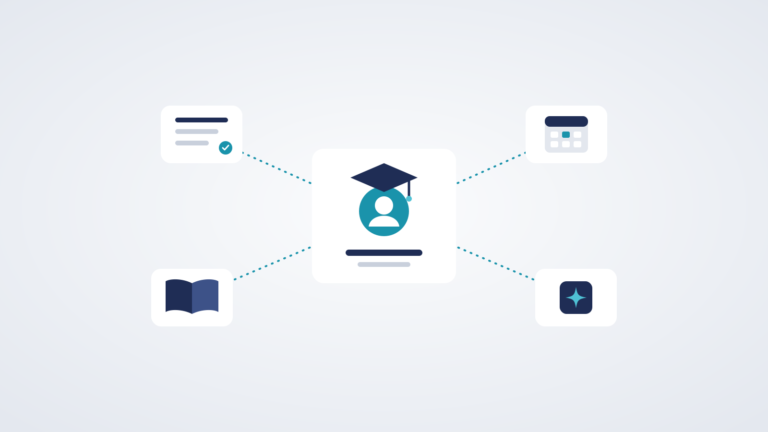
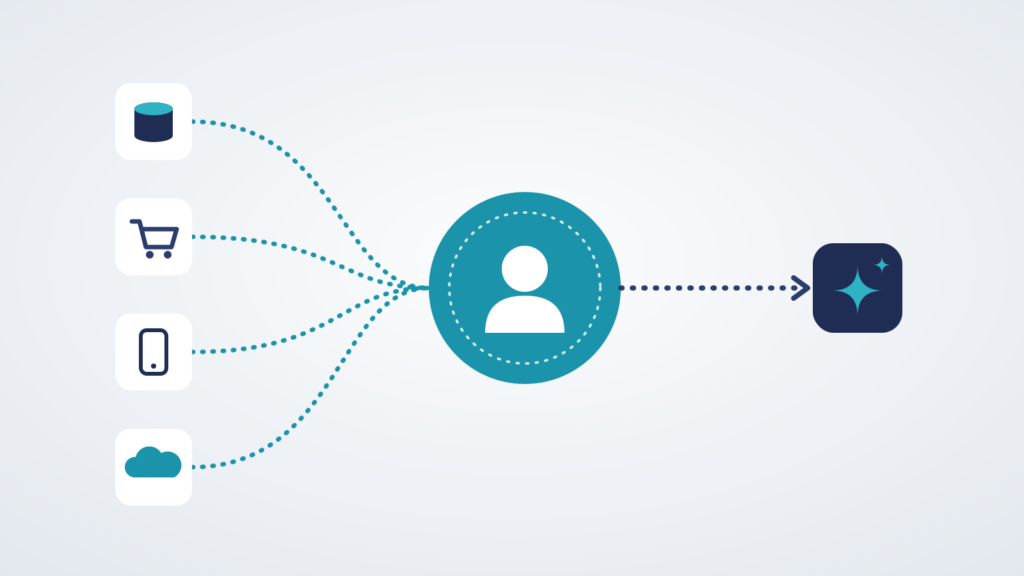
The agent kept giving customers the wrong order status. The prompt was fine. The topics were fine. The problem was underneath: three systems held three different versions of the same customer, and nobody had decided which one was true. The fix was not an AI project. It was a data project.
That is why Data 360 skills have become some of the most sought after in the Salesforce ecosystem. Agentforce agents are only as good as the data they are grounded in, and Data 360, the platform Salesforce called Data Cloud until late 2025, is where that data comes together.
This guide explains how to hire a Data 360 consultant and the other roles around the platform: what Data 360 does, how consultant, architect, and developer roles differ, the skills to test, the credentials and the 2026 name change, what to pay, and where to find people who have done this work in production.
Table of Contents
What Salesforce Data 360 Is, and Why It Matters for Agentforce
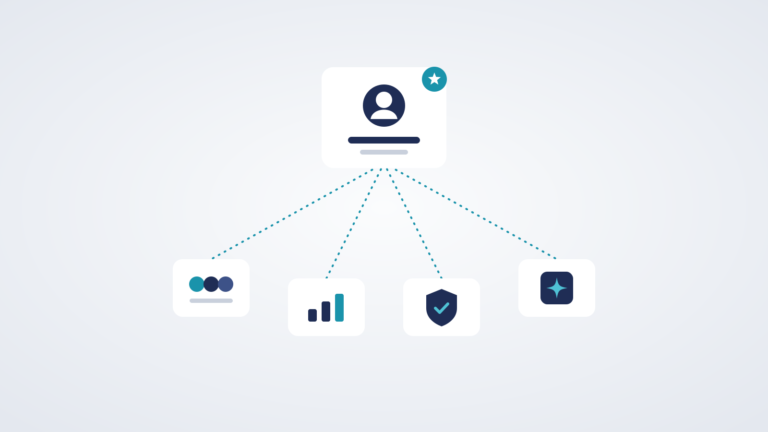
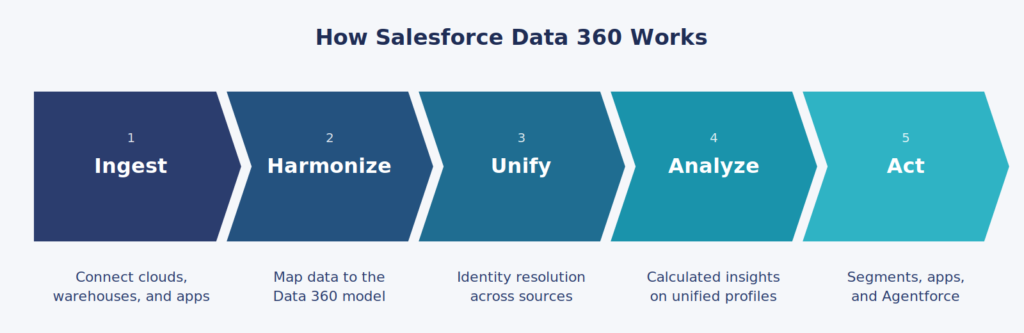
Salesforce Data 360 is Salesforce’s data platform. It brings in data from Salesforce and outside systems, maps it to a common model, resolves records that belong to the same person or account, and makes that unified data available to every Salesforce app and to Agentforce agents. Salesforce’s own Data 360 product page describes it as the official new name for what was previously called Data Cloud.
The rename happened at Dreamforce in October 2025, alongside the launch of Agentforce 360. Existing Data Cloud customers did not have to reimplement anything. What changed is the role the platform plays. Data 360 used to be bought mainly by marketing teams for segmentation. Now it is the foundation that grounds AI agents in accurate, current customer data.
For hiring, that has two consequences.
- Demand for Data 360 skills now comes from whoever owns Agentforce, not only from marketing. Service, sales, and IT leaders are all hiring for it.
- The talent pool uses both names. Many candidates still list Data Cloud on their resumes, and most people still search for Data Cloud consultants. Look for either.
Someone who can connect your sources, unify your customers, and expose clean data to agents is often the difference between an agent that works and one that confidently gives wrong answers.
Data 360 Roles: Consultant, Architect, Developer, and Admin
Four roles cover most Data 360 work. Smaller teams often combine two of them.
| Role | What they own | Typical background |
|---|---|---|
| Data 360 consultant | Designing and configuring the implementation: sources, data model, identity resolution, insights, segments, and activation | Marketing Cloud, CDP, or Salesforce consultants who moved into data |
| Data 360 architect | Enterprise data design: which systems connect, how identity works across them, data governance, and how agents use the data | Salesforce data or solution architects, enterprise data architects |
| Data 360 developer | Custom ingestion, APIs, transformations, and the code that connects Data 360 to agents and apps | Salesforce developers with data engineering experience |
| Data 360 admin or specialist | Ongoing operations: data streams, refresh schedules, segment maintenance, permissions, and monitoring | Salesforce admins and marketing operations specialists |
The consultant is usually the first hire, because the hardest early decisions are about the data model and identity rules. The architect becomes essential once Data 360 serves several clouds, several regions, or a growing number of agents.
Do not assume a strong warehouse data engineer can step straight into these roles. They bring valuable skills in SQL, pipelines, and data quality, but Data 360 has its own data model, identity resolution approach, and connection to Salesforce apps. The best candidates know both sides.
For the AI layer above Data 360, our guide to how to hire an Agentforce architect covers the role that designs how agents use this data. Marketing teams moving to Salesforce’s newer Data 360-based marketing tools will also find our Marketing Cloud hiring guide useful.
Skills to Look for in a Data 360 Consultant
Data 360 work follows the path data takes through the platform. Strong candidates can explain each step from their own projects.
- Ingestion. Connecting Salesforce clouds, data warehouses, websites, mobile apps, and other systems through data streams and connectors, and deciding what to bring in.
- Zero copy and federation. Using data where it already lives, such as in an external data warehouse, instead of copying everything into Salesforce.
- Data modeling. Mapping incoming data to Data 360’s data model objects, and knowing when to use standard objects and when to extend them.
- Identity resolution. Designing the match and reconciliation rules that decide which records belong to the same person, household, or account. This is often where implementations succeed or fail.
- Calculated insights. Building metrics such as lifetime value, engagement scores, or churn risk on top of unified profiles.
- Segmentation and activation. Building audiences and sending them to Marketing Cloud, advertising platforms, or other destinations.
- Grounding Agentforce. Making unified, permission-aware data available to agents so their answers reflect current conditions.
- Governance and consent. Tracking consent, honoring data rights, and controlling who and what can see sensitive data.
The Data 360 architect adds enterprise-level judgment: how many orgs and regions to support, how to handle data residency, and how to keep costs predictable as data volumes grow.
The Data 360 developer adds code: custom ingestion through APIs, transformations, and the Apex or integration work that connects unified data to apps and agents. Our guide to hiring Salesforce developers covers the core developer skills that sit alongside these.
Data 360 Credentials, Including the Data Cloud Rename
The main credential followed the product rename. As Passcert’s summary of the change notes, Salesforce renamed the Salesforce Certified Data Cloud Consultant to Salesforce Certified Data 360 Consultant on March 27, 2026, and the exam code, Data-Con-101, stayed the same.
| Credential | What it signals | Best fit |
|---|---|---|
| Data 360 Consultant (formerly Data Cloud Consultant) | Can design and deliver a Data 360 implementation | Consultant and specialist roles |
| Platform Data Architect | Enterprise data management and scalable data design on the Salesforce platform | Architect roles |
| Agentforce Specialist | Knows how agents use data and actions | Roles that connect Data 360 to agents |
| Marketing Cloud Consultant | Understands activation into marketing channels | Marketing-focused Data 360 work |
Trailhead lists the Platform Data Architect among Salesforce’s architect certifications, describing holders as experts at designing scalable, high-performing solutions for enterprise data management.
For hiring, accept both names. A candidate who lists Data Cloud Consultant holds the same credential as one who lists Data 360 Consultant. Verify either on Salesforce’s credential verification page, then ask about real implementations. Our guide to the Salesforce certifications that matter when hiring covers the wider credential landscape.
What to Pay a Data 360 Consultant, Architect, or Developer
Our 2027 Salesforce salary guide does not yet break out Data 360 as its own band, so use the closest core roles as benchmarks:
| Data 360 role | Closest benchmark | US base range (2027) |
|---|---|---|
| Data 360 admin or specialist | Senior administrator | $105,000 to $140,000 |
| Data 360 consultant | Senior functional or technical consultant | $125,000 to $175,000 |
| Data 360 developer | Senior developer | $135,000 to $175,000 |
| Data 360 architect | Solution or technical architect | $145,000 to $230,000 |
The salary guide also found that shipped Agentforce and Data 360 work is currently among the most valuable experience on a Salesforce resume, with the premium concentrated at the senior and architect levels. A consultant who has taken a Data 360 implementation to production, especially one that now grounds live agents, should be priced toward the top of the band.
Three things push offers higher: identity resolution experience at scale, zero copy work with an external data warehouse, and industry depth in regulated data such as healthcare or financial services. Our guide to Salesforce industry cloud hiring covers that last premium in more detail.
How to Assess and Hire a Data 360 Consultant
Use an identity scenario
Identity resolution is the best single test of Data 360 skill. Try something like: “Customers exist in Sales Cloud, our e-commerce platform, and a data warehouse. The same person often appears with different emails and phone numbers. Design how you would unify them, decide which source wins for each field, and make the result available to a service agent.”
Listen for:
- Match rules that balance precision against coverage, and an explanation of the trade-off
- Reconciliation rules that decide which source to trust for each field
- How consent and data rights limit what can be unified and used
- How often data refreshes, and what the agent sees in the meantime
- How they would measure success, such as match rates and the share of profiles unified
Walk through a production implementation
Ask the candidate to describe a Data 360 or Data Cloud implementation they delivered: the sources, the identity rules, what went wrong, and what the business used the data for. Candidates who have only completed training projects tend to describe features. Candidates with production experience describe trade-offs.
Know where to look
The strongest Data 360 candidates often come from consulting partners with Data 360 practices, from Marketing Cloud and customer data platform backgrounds, or from in-house data teams that implemented Data Cloud early. Search for both names, since many still describe their experience as Data Cloud.
Because shipped experience is scarce, senior Data 360 roles often need a retained search, and contract consultants are a practical way to keep an implementation moving while a permanent search runs. Our comparison of a Salesforce headhunter vs staffing vs placement agency explains which model fits, and our guide to Salesforce digital labor shows where Data 360 roles fit in a team planned around AI agents.
Frequently Asked Questions
What does a Data 360 consultant do?
A Data 360 consultant designs and configures Salesforce Data 360: connecting data sources, mapping data to the Data 360 model, setting up identity resolution, building calculated insights and segments, and making unified data available to Salesforce apps and Agentforce agents.
Is Data 360 the same as Data Cloud?
Yes. Salesforce renamed Data Cloud to Data 360 at Dreamforce in October 2025. Existing Data Cloud customers kept their capabilities under the new name.
Is a Data Cloud consultant the same as a Data 360 consultant?
Yes. Salesforce renamed the Data Cloud Consultant certification to Data 360 Consultant on March 27, 2026, and the exam code stayed the same. Candidates may list either name.
Why does Agentforce need Data 360?
Agents give accurate answers only when they are grounded in accurate, current data. Data 360 unifies customer data from many systems and makes it available to agents, so their responses reflect what is actually true about each customer.
How much does a Data 360 consultant earn?
There is no separate band yet. They generally benchmark against senior Salesforce consultants, roughly $125,000 to $175,000 in US base salary, with production experience pushing offers toward the top.
What is the difference between a Data 360 consultant and a Data 360 architect?
The consultant designs and delivers the implementation. A Data 360 architect makes enterprise-level decisions about which systems connect, how identity works across regions and business units, governance, and how agents use the data.
Fix the Data, and the Agents Follow
Every Agentforce program eventually becomes a data program. The right Data 360 hire decides how your customers are unified, which sources are trusted, and what your agents are allowed to know. Hire for production identity resolution experience, accept both the Data Cloud and Data 360 names, and price the role for the scarcity it has today.
Hiring a Data 360 consultant or architect? Talk to our Salesforce recruiters. We find people who have taken Data 360 and Data Cloud implementations to production, and we can tell you what the market looks like for your role right now.